Articles
Our team of experts produce regular content to shine a light on the latest news and trending topics within key areas of research. Read our latest articles to find out more about our new product lines, customer research highlights and corporate milestones.
.jpg?width=50)
Cell Adhesion Governs Cardiac Signal Fidelity in Printed Organic Transistors
Researchers at the Istituto Italiano di Tecnologia, Istituto Auxologico Italiano IRCCS, Politecnico di Milano, and the University of Milano-Bicocca have shown that how well heart cells physically adhere to a polymer surface — not the device’s electrical gain — determines whether an organic transistor can accurately record cardiac action potentials. The findings reframe interface engineering as a central design priority for bioelectronic platforms used in drug screening and cardiac disease modelling.

Fine Tungsten Wire for Brain Probes and Microdissection Needles
Tungsten has been the reference material for sharpened neural microelectrodes since Hubel and Wiesel's pioneering visual cortex experiments, and it remains a mainstay of chronic single-unit recording today. The same blend of hardness, stiffness and corrosion resistance has also made it the preferred metal for microdissection needles used in precision electrosurgery.
.jpg?width=50)
Titanium Nitride Films Without Substrate Heating: What a Magnetized Sheet Plasma System Can Do
Researchers at the University of the Philippines Los Baños and University of the Philippines Diliman have demonstrated crystalline TiN thin film growth in a 10-litre upscaled magnetized sheet plasma system — without external substrate heating. A 99.6% purity titanium target from Advent Research Materials was used to investigate how plasma current and argon-to-nitrogen ratio govern film structure and stoichiometry. The approach points toward an energy-efficient deposition route with straightforward process control.

Platinum/Iridium Alloy Wire: The Material Behind Pacemakers, STM Tips, and Spark Plugs
Platinum/iridium alloy wire offers a combination of properties that neither metal provides alone: the corrosion resistance and biocompatibility of platinum, strengthened by iridium's exceptional hardness. The 90/10 alloy is the same composition used to make the International Prototype of the Kilogram — and those same qualities now underpin applications from pacemaker electrodes and deep brain stimulation probes to scanning tunnelling microscope tips and high-performance spark plugs. Advent Research Materials supplies Pt/Ir alloy wire to specification for research applications.
.png?width=50)
Case Study | Copper Nanowire Interconnects: A More Flexible Solution for Shrinking Chip Connections
Researchers at Henan University of Technology and Huazhong University of Science and Technology used high-purity copper and tin sheet from Advent Research Materials to fabricate nanowire-based interconnects that flex under stress rather than fracturing — directly addressing one of the key reliability problems in modern chip design. Conventional solder joints crack as chips get smaller and run hotter; this approach replaces them with bundles of ultrafine copper wires that absorb movement rather than failing. The results, published in the Journal of Advanced Joining Processes, demonstrate strong mechanical performance and stability over 2,000 bending cycles.
.png?width=50)
Aluminium and the Circular Economy: Why Recyclability Is Reshaping How We Think About Metal
Aluminium is unique among structural metals: it can be recycled indefinitely without any degradation in quality, and recycling it requires roughly five percent of the energy needed to produce primary metal from ore. As circular economy targets become embedded in supply chain and ESG policy, understanding how recycled aluminium behaves — and how it differs at the specification level from primary metal — is becoming a practical concern for researchers and procurement teams alike. This article covers how the aluminium loop works, where the science of recycling is heading, and what it means for the materials you specify.
.png?width=50)
Platinum Wire in Neural Recording: From Lab Electrodes to Clinical Brain-Computer Interfaces
Platinum has been the material of choice for implanted neural recording electrodes for over seventy years, prized for its biocompatibility and stability inside the body. Today, platinum-iridium alloy wire is central to everything from academic single-unit recordings to the latest generation of clinical brain-computer interfaces. Research groups at institutions including NTNU are now engineering nanoporous platinum surfaces that push electrode performance further — while the core material remains the same.
.png?width=50)
Polymer Cuff Electrodes Prove Viable for Selective Peripheral Nerve Stimulation
A team at Imperial College London has validated fully polymeric conductive elastomer nerve cuffs as effective alternatives to metallic electrodes for fascicular-selective peripheral nerve stimulation. Published in the Journal of Neural Engineering in 2026, the study combined ex vivo experiments on rat sciatic nerves with microCT-informed computational modelling, achieving selectivity indices above 0.65 across all three target fascicles. Advent Research Materials supplied the precision PTFE-insulated silver wire used as electrical interconnects within the electrode assembly.
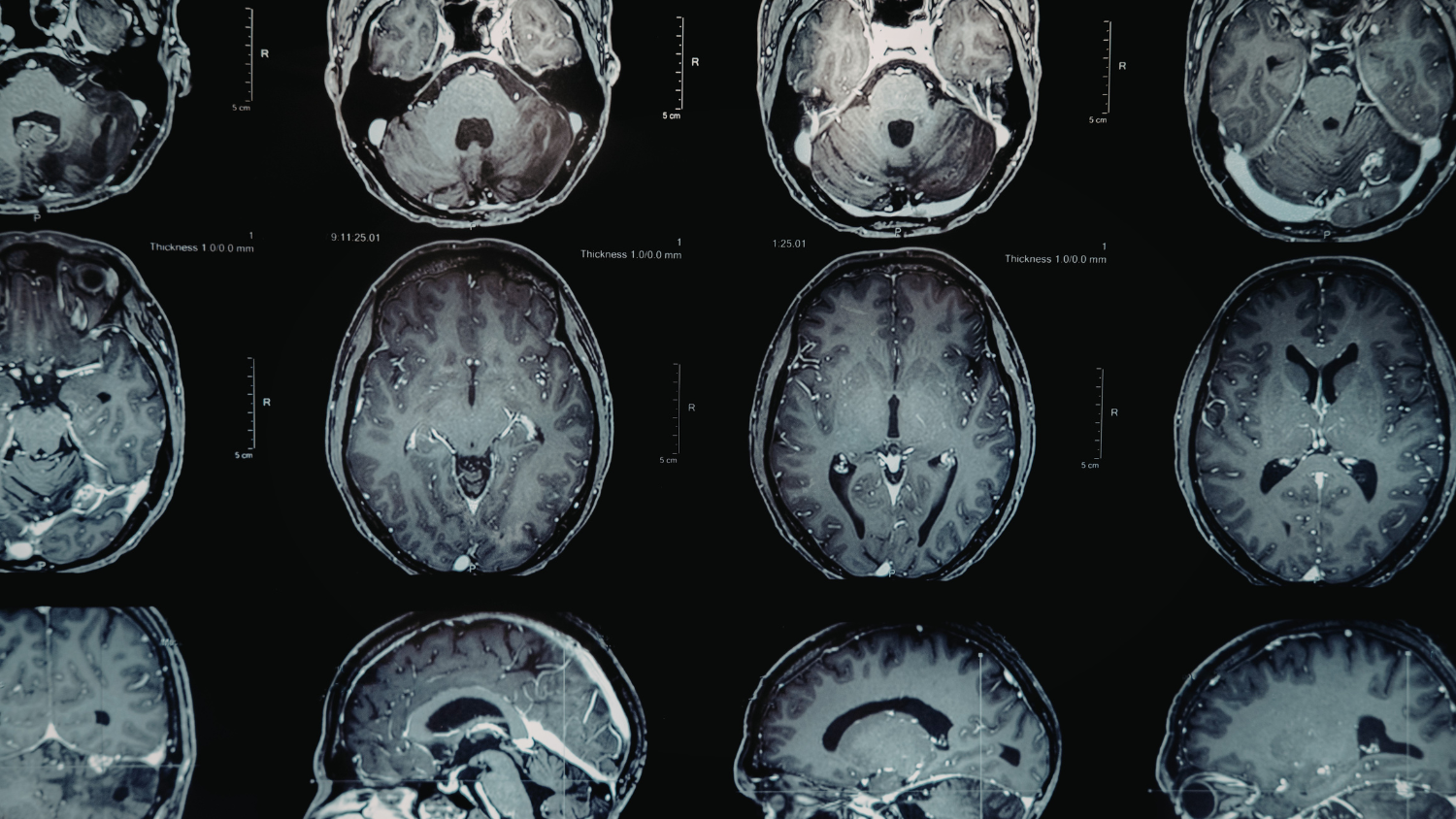
Tungsten Microelectrodes Help Map How Early Alzheimer’s Pathology Spreads Through the Brain
A 2026 study in The Journal of Physiology from the University of Castilla-La Mancha and Pablo de Olavide University tracks how early amyloid-β accumulation disrupts brain circuit activity across connected regions. Using Advent 50 μm tungsten microelectrodes implanted in the posterior parietal cortex, researchers revealed a precise temporal sequence: hippocampal dysfunction emerges within hours, spatial memory deficits by day one, and measurable cortical oscillatory disruption by day three.

High-Purity Aluminium Foil Used in Latest Aluminium Battery Research
Researchers at the Swedish University of Agricultural Sciences (SLU), working with collaborators at Umeå University, the University of Oulu, IMT Mines Albi and the Digital University Kerala, have published new findings in Batteries & Supercaps (2026) demonstrating how engineered pore structure improves the long-term stability of aluminium-ion batteries.