Articles
Our team of experts produce regular content to shine a light on the latest news and trending topics within key areas of research. Read our latest articles to find out more about our new product lines, customer research highlights and corporate milestones.
Categories
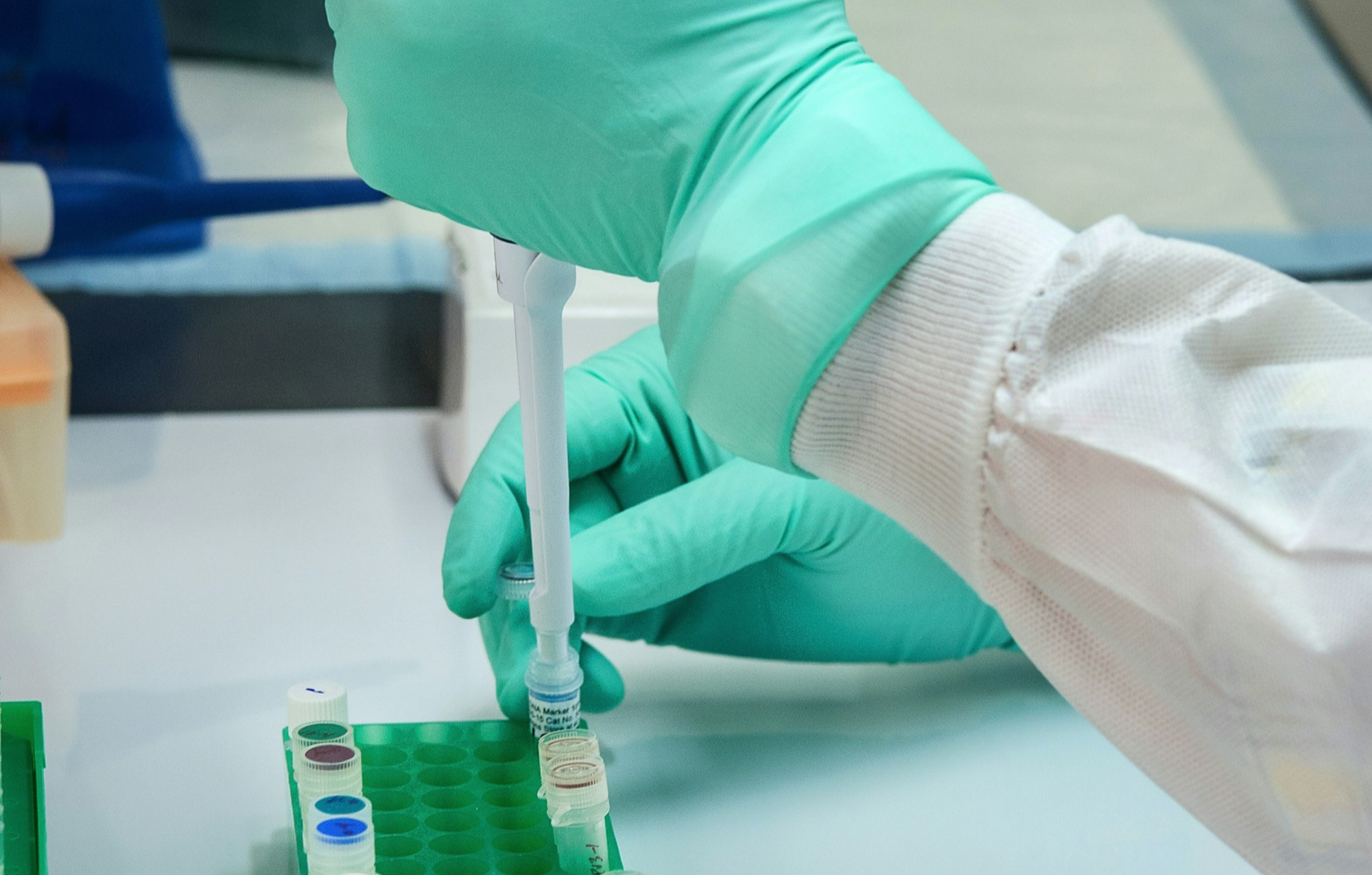
Trace Analysis of Biological Thiols in Exhaled Breath Using Gold Nanoparticle Microcolumns
Moisture condensed from exhaled breath can be collected without needles, but it is so dilute that some molecules are present only in trace amounts. Researchers in Brno fixed gold nanoparticles inside small disposable columns to concentrate biological thiols from 1 to 10 mL of condensate, then measured them by capillary electrophoresis.
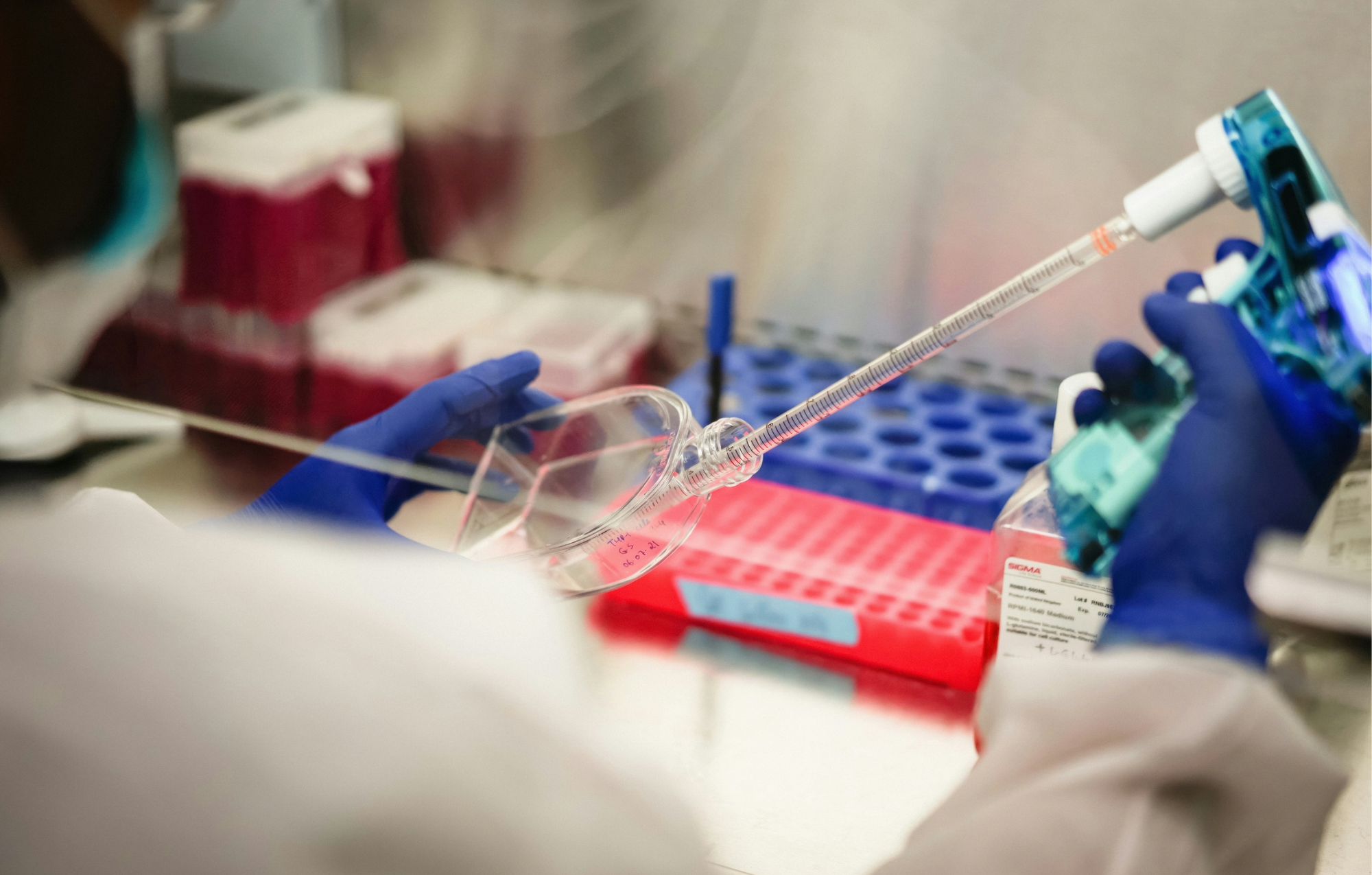
99.999% Aluminium from Advent Used in Nanoporous Alumina Research
Researchers led by Taipei Medical University in Taiwan used two grades of aluminium supplied by Advent Research Materials to investigate how substrate purity and processing conditions affect porous anodic alumina. The study, published in Results in Surfaces and Interfaces in October 2026, also examined how pore size affected the growth of bone-like cells in laboratory tests.

Dopamine's Reach Into the Primate Parietal Attention Network
Dopamine's role in attention has mostly been studied in the frontal lobe. A Newcastle University team went looking for it in the parietal cortex instead, delivering the drug directly onto the very neurons they were recording from in awake macaques.

How Science is Rewriting the Rules of Wine | Controlled Micro-Oxygenation in Wine Aging
Researchers at the University of Auckland used Advent Research Materials' Titanium to investigate micro-oxygenation in wine ageing. Their findings demonstrated how precise material specification enables reproducible results in a craft that has long relied on intuition and tradition.

Case Study | No Separator Needed: How KTH's Electrografting Breakthrough Used Advent Copper Foil
Batteries are usually passengers. They ride inside vehicles, aircraft, and portable devices, adding weight without carrying any structural load. A structural battery changes that bargain entirely — it stores energy and bears mechanical stress at the same time, replacing passive packaging with active material and reducing total system weight. That ambition has driven years of research at KTH Royal Institute of Technology in Stockholm, and a 2026 paper in EES Batteries marks one of the clearest steps forward yet.

How SUNY Binghamton Achieved 40 nm Nanoporous Silver Without Toxic Chemistry
Silver with a controlled nanoporous structure has established uses in biosensing, electrocatalysis, and electrochemical actuation. The difficulty has always been making it reliably. Metallurgical routes require high temperatures and complex processing; conventional electrochemical co-deposition typically relies on cyanide electrolytes. A research team at the State University of New York at Binghamton set out to find a cleaner alternative — and high-purity copper and silver from Advent Research Materials played a central role in establishing the validity of their results
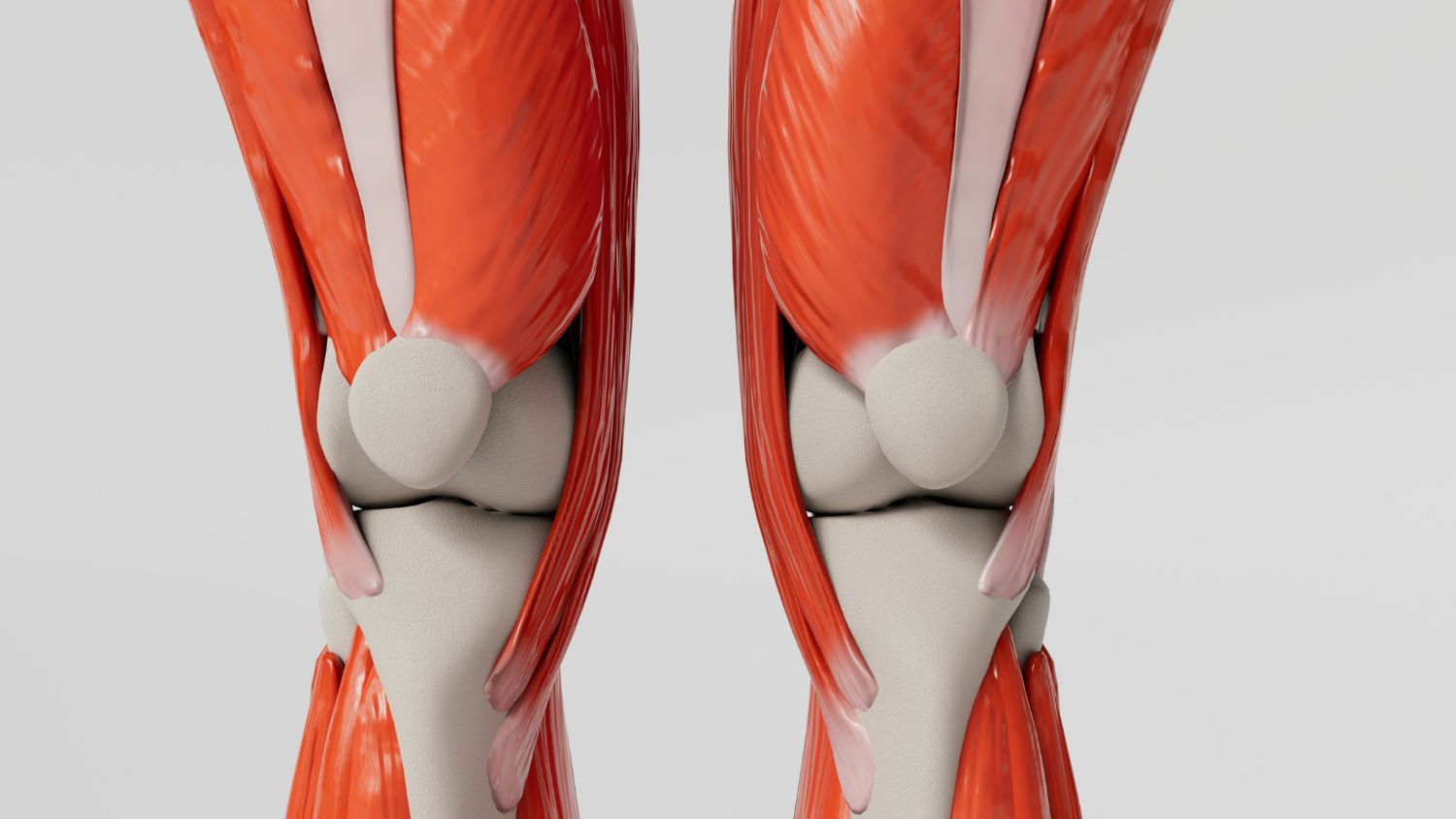
How Researchers Used Kapton® polyimide film to Harvest Energy from Human Movement
Researchers at the University of Exeter used Kapton® polyimide film supplied by Advent Research Materials as the key flexible component in a knee-joint energy harvester — demonstrating that the motion of walking alone can power a wireless sensor node, no battery required.