Articles
September 2026
Categories
.png?width=50)
Aluminium Thin Films: How Grain Growth Affects Reflectivity
A 2024 study from the University of Patras and Aristotle University of Thessaloniki found that aluminium thin films sputtered under specific room-temperature conditions grew with randomly oriented grains rather than the columnar structure typically expected — a result the researchers trace to low surface mobility and grain-boundary diffusion. The same films, particularly the thickest, also showed low surface roughness and reflected more than 90% of visible light, a separate finding the study links to roughness rather than to grain orientation itself.
.png?width=50)
An Injectable Conductive Hydrogel Electrode That Matches Neural Tissue's Softness
Implantable neural interfaces face a fundamental materials problem. Platinum and iridium are widely used for their electrical performance, but their stiffness differs substantially from that of soft neural tissue, and implanting them typically requires invasive surgery. Researchers in the Department of Bioengineering at Imperial College London investigated an alternative: an injectable conductive hydrogel designed to provide electrical functionality while better matching the mechanical properties of the tissue it sits against.
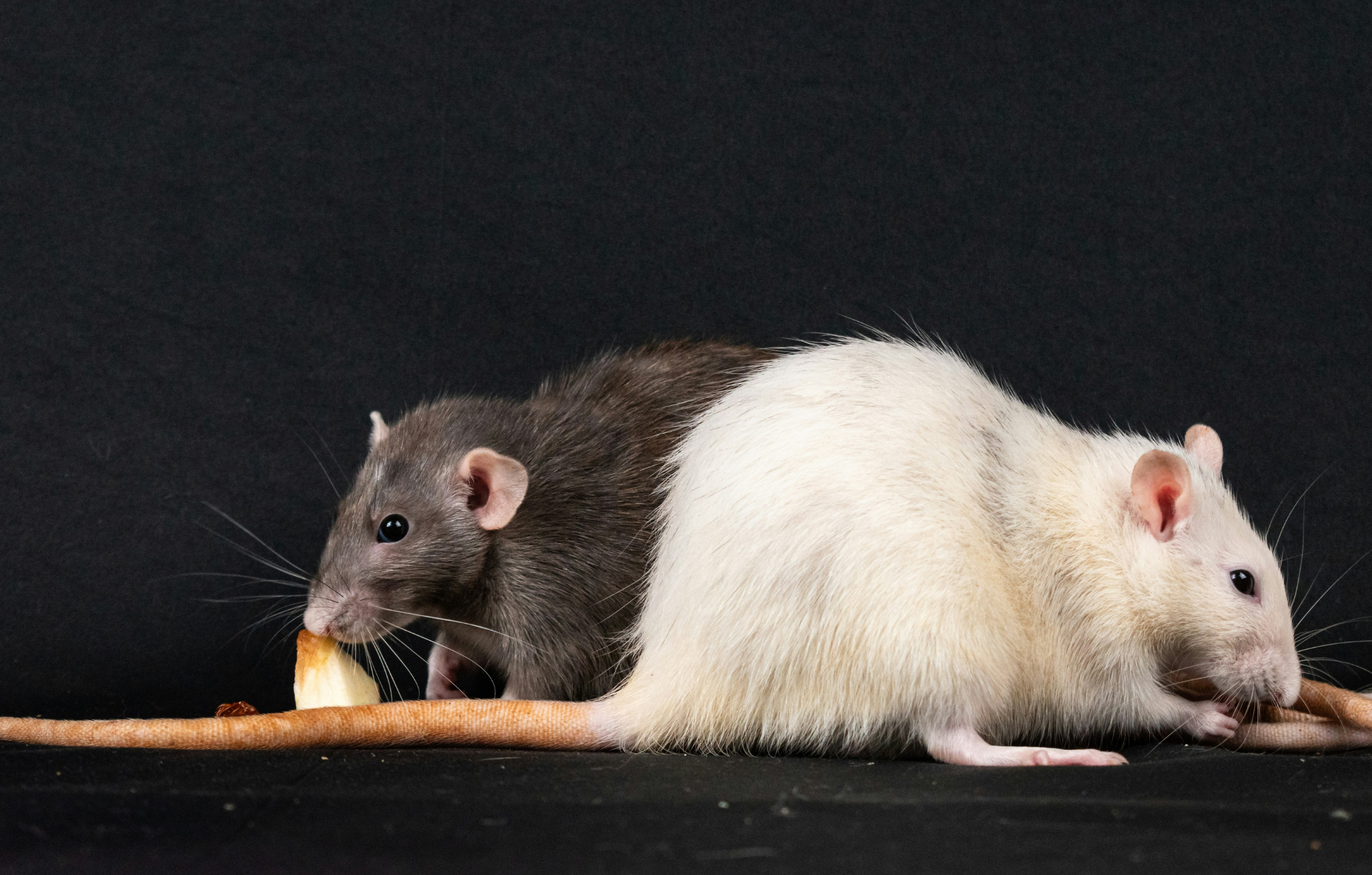
Why rats choose dinner over company — and what their brainwaves say about it
Given a free choice, rats consistently pick food over company — but multi-site brain recordings show the two rewards are processed through entirely different neural circuits. Scientific Reports, February 2025.
.png?width=50)
Dopamine's Reach Into the Primate Parietal Attention Network
Dopamine's role in attention has mostly been studied in the frontal lobe. A Newcastle University team went looking for it in the parietal cortex instead, delivering the drug directly onto the very neurons they were recording from in awake macaques.