Spotlight on Tin: Foil, Sheet, Wire and More for Research
Product News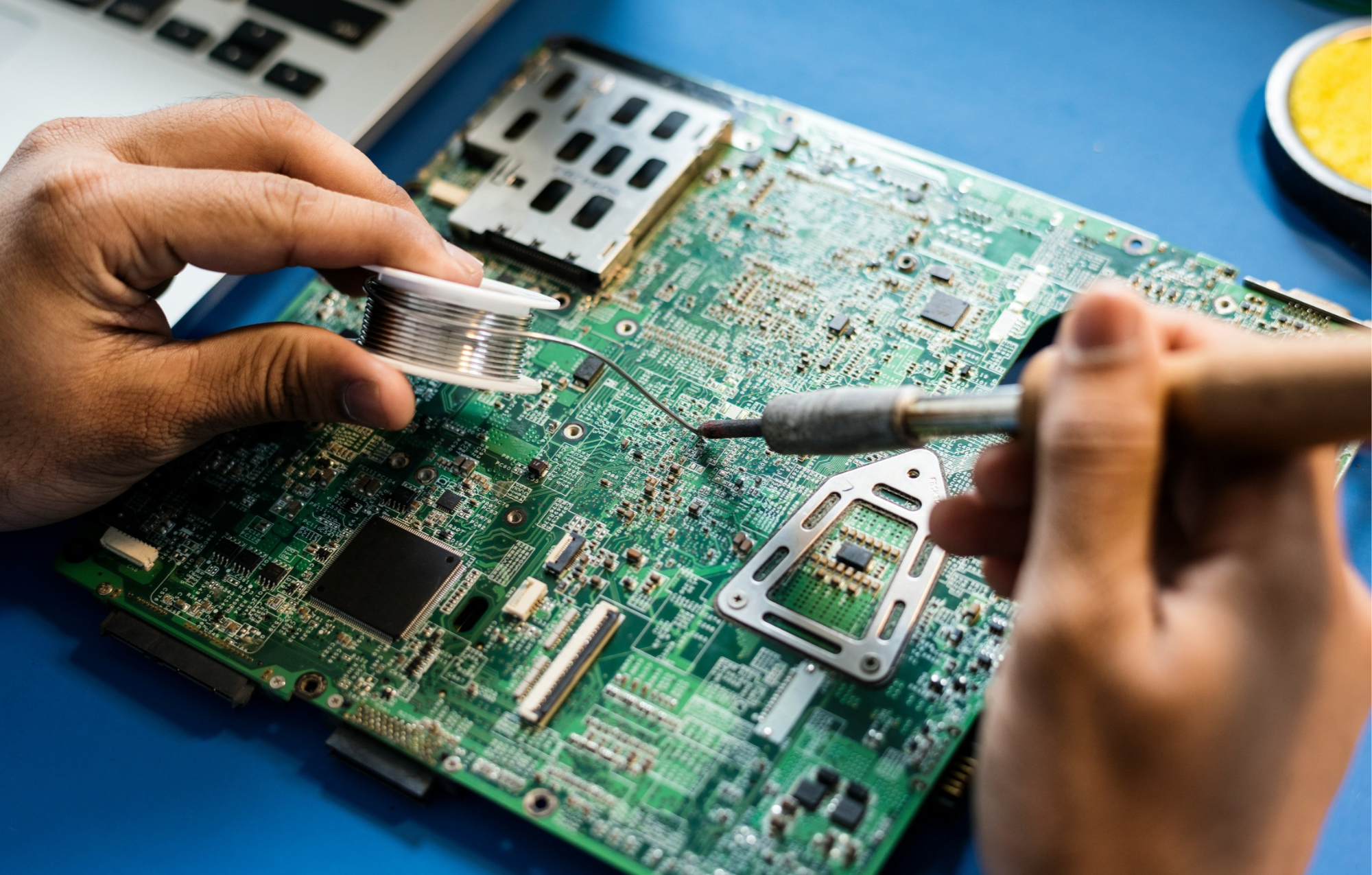

Tin (Sn) is a soft, ductile metal with a melting point of 231.9 °C and a density of 7.29 g/cm³ in its usual metallic form, white tin (β-tin). Its corrosion resistance, low melting point and readiness to alloy are why researchers use it in solder and interconnect studies, tin oxide films, battery electrodes and low-temperature physics. Advent supplies tin as foil, sheet, wire, ingot and lump, at purities up to 99.999%.
Tin properties that affect how you choose and use it
A thin surface oxide is why tin resists corrosion in air and water and why it is used to coat steel in tinplate. Strong acids and strong alkalis attack both tin and its oxide. Supplied foil, sheet and wire carry this film, so allow for it in soldering, bonding and electrochemical work.
White tin is stable above about 13.2 °C. Below that, brittle grey tin (α-tin), with a diamond-cubic structure, is the thermodynamically stable form. The change is usually slow and its rate depends on temperature, purity and alloying additions, but when it happens the metal expands and can crumble to powder. This is tin pest. Impurities such as bismuth and antimony slow it, so very pure tin is generally more prone to it. In practice it is a storage question: keep tin at room temperature, not in a cold store.
Tin rolls into very thin foil, but its strength is low. Room temperature is already about 0.6 of its absolute melting point, so tin creeps under sustained load without heating, and clamped parts cut from sheet slowly deform.
Electroplated tin can grow fine filaments called tin whiskers, which short neighbouring conductors in electronics. Tin is also a type I superconductor, with a critical temperature of about 3.72 K.
Where tin is used in research
- Tin oxide films. Tin oxide (SnO₂) is a wide-band-gap semiconductor used in transparent conductors and gas sensors. In a 2026 Scientific Reports study, researchers at Chiang Mai University used 1 mm, 99.95% tin wire from Advent as a sparking electrode to deposit SnO₂–SnO nanoparticle coatings on photovoltaic glass. Spark ablation vaporises the wire, so the wire is feedstock for the film.
- Solders and interconnects. A 2026 study in the Journal of Advanced Joining Processes, from Henan University of Technology and Huazhong University of Science and Technology, bonded copper nanowire arrays using tin nanowires to make compliant interconnects. Copper and tin from Advent were the electroplating source metals. Read our article on copper nanowire interconnects.
- Battery electrodes. Tin alloys with lithium and sodium, making it a candidate anode material, but the volume change on cycling cracks electrodes. Tin foil is a simple model electrode for studying that, and Advent can supply various foils as cut discs.
- Low-temperature physics. Tin's transition near 3.72 K makes it useful in superconductivity studies. Impurities raise residual resistivity, so the 99.999% grade is worth considering here.
Choosing the right form
Advent supplies tin in five forms:
- Foil: 0.008 mm to 0.50 mm thick, as rolled. For electrodes, barrier layers and thin-film work. Several thin foils are Light-Tight: no pinholes visible at ×2 magnification, which matters for barrier use.
- Sheet: 0.75 mm to 3.0 mm thick, as rolled. For machined parts, substrates, joining studies and electroplating anodes.
- Wire: 1 mm, 1.5 mm and 2 mm diameter, as drawn. For spark ablation, evaporation and alloy preparation.
- Ingots: approximately 20 × 50 × 150 mm. For melting, casting and making alloys such as solders.
- Lump: 0.25 mm foil off-cuts. For crucible charging, where shape does not matter.
Choosing the right purity
Purity depends on form and size:
- 99.95%: most of the range, including wire in all three diameters, foil from 0.10 mm to 0.50 mm, the ingot and the lump.
- 99.999% (High Purity): 0.50 mm foil, 1.0 mm sheet, and 1 mm and 2 mm wire.
- Sheet: mostly 99.9%, with 99.85% at 3.0 mm and 99.99+% at 1.0 mm.
- Thinnest foils: 0.008 mm to 0.05 mm, listed between 97.8+% and 99.54%.
Higher purity is not automatically better. It counts most in superconductivity work and when the tin is a deposition source, and very pure tin is more prone to tin pest. If trace elements matter, check the product specification and ask for the batch analysis.
Looking for tin for your research? Tell us the form, dimensions, purity and quantity you need, and whether you need a batch analysis. Contact Advent Research Materials |