Articles
October 2026
Categories

99.999% Aluminium from Advent Used in Nanoporous Alumina Research
Researchers led by Taipei Medical University in Taiwan used two grades of aluminium supplied by Advent Research Materials to investigate how substrate purity and processing conditions affect porous anodic alumina. The study, published in Results in Surfaces and Interfaces in October 2026, also examined how pore size affected the growth of bone-like cells in laboratory tests.

Spotlight on Tungsten: Wire, Foil, Sheet and More for Research
Tungsten has the highest melting point of any metal, at 3,422 °C, and a density of approximately 19.25 g/cm³. Its Young's modulus is around 400 GPa, making it a stiff material with low thermal expansion. Bulk tungsten is brittle at room temperature and difficult to machine, but specialist processing makes it available as fine wire. These properties make tungsten useful for research components that must retain their shape at high temperatures or operate in vacuum. Advent supplies tungsten wire in diameters as small as 0.004 mm.
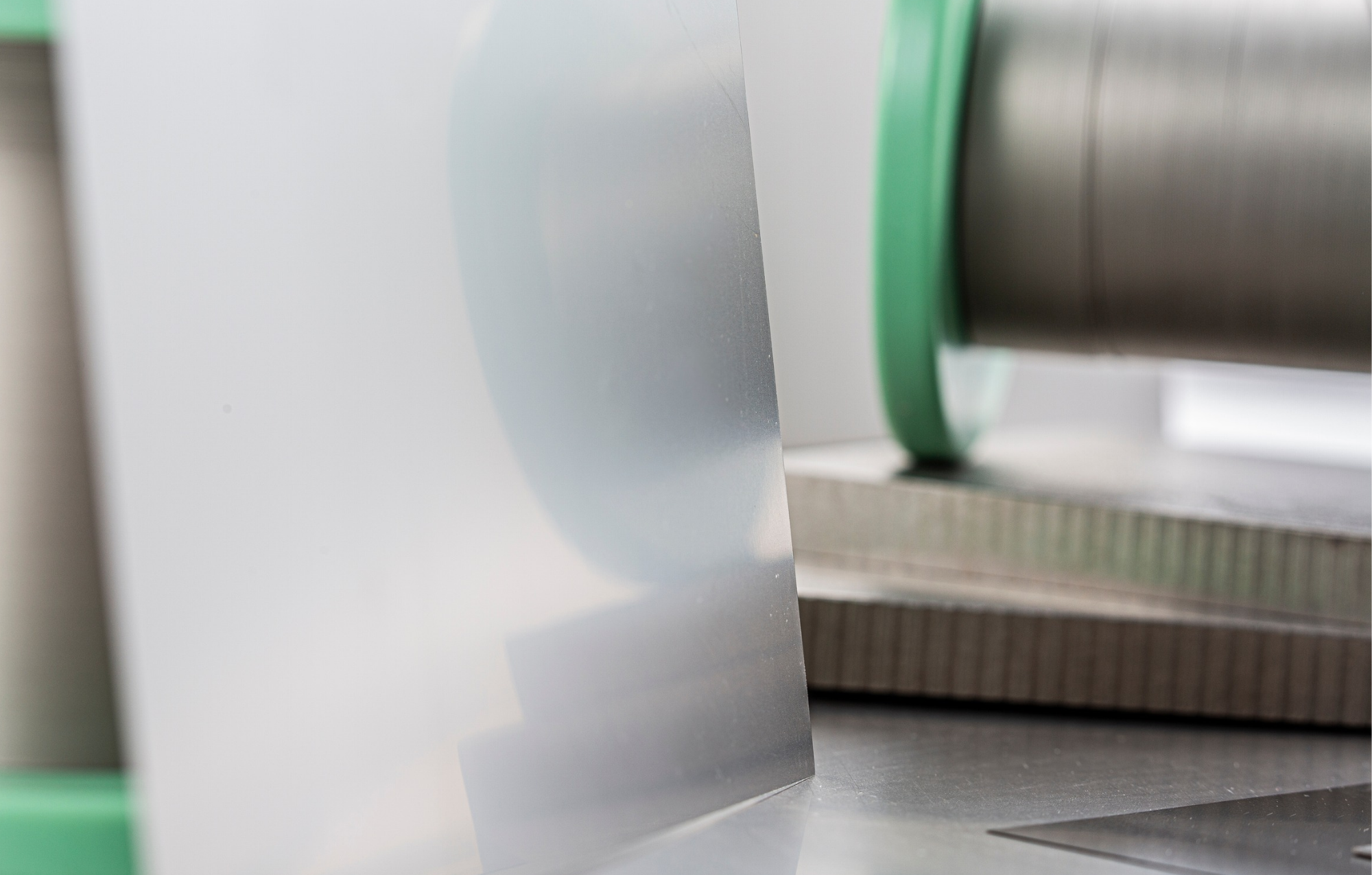
Spotlight on Titanium: Wire, Foil, Sheet and More for Research
Titanium combines high corrosion resistance with a low density and good ductility in its commercially pure, annealed state. It melts at about 1,668 °C and can be drawn into fine wire and rolled into foil as thin as 0.005 mm. Its stable surface oxide and favourable strength-to-weight ratio make it useful in research involving physiological fluids, chloride-containing solutions and lightweight, corrosion-resistant components. This overview looks at the properties that make titanium useful, its research applications, and the forms and purities supplied by Advent Research Materials.
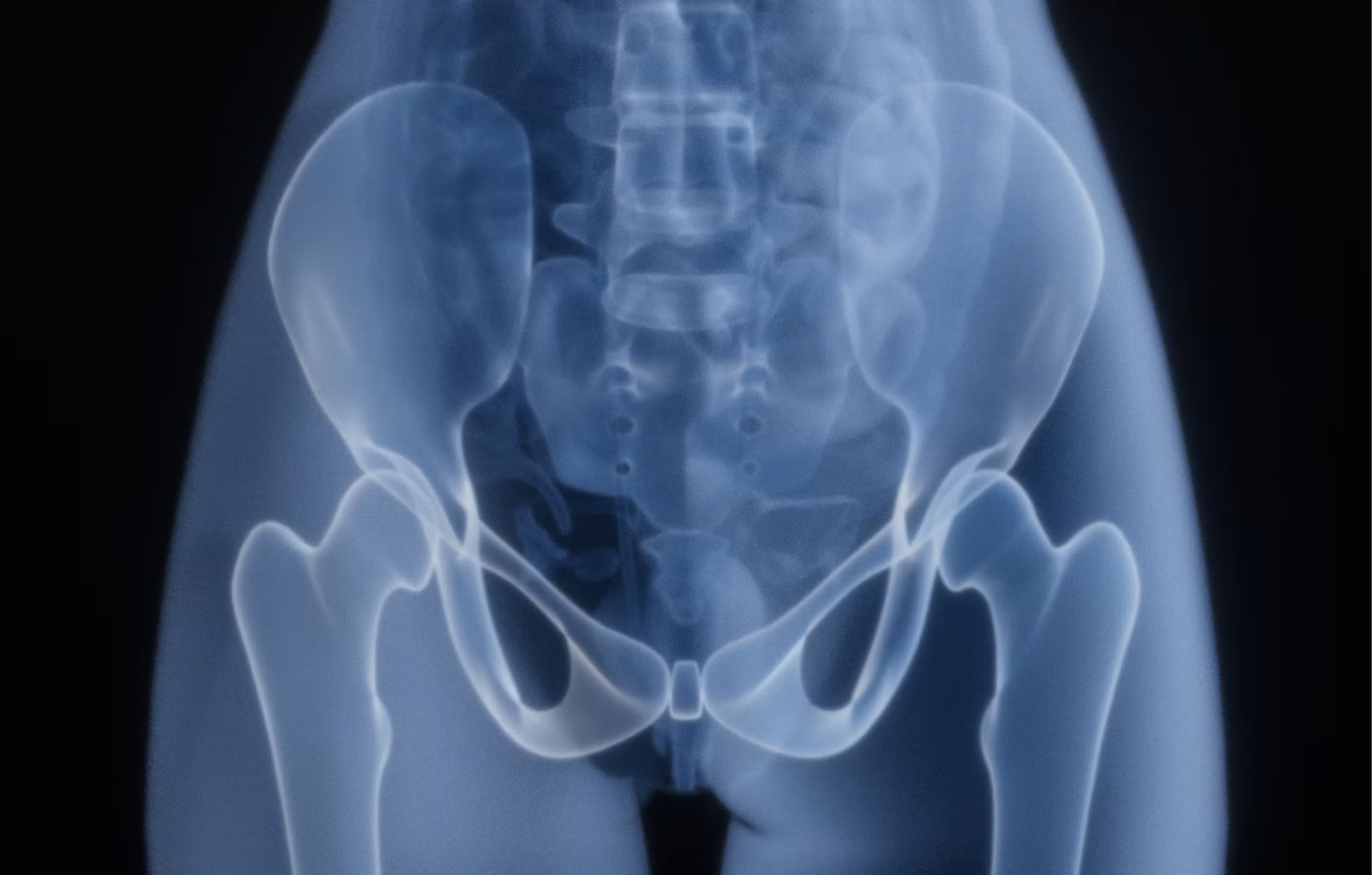
How Tantalum Gets Bone to Grow Into an Implant
Two recent studies show how tantalum’s structure and surface can affect bone integration, from porous scaffolds to a 550 nm coating on titanium.
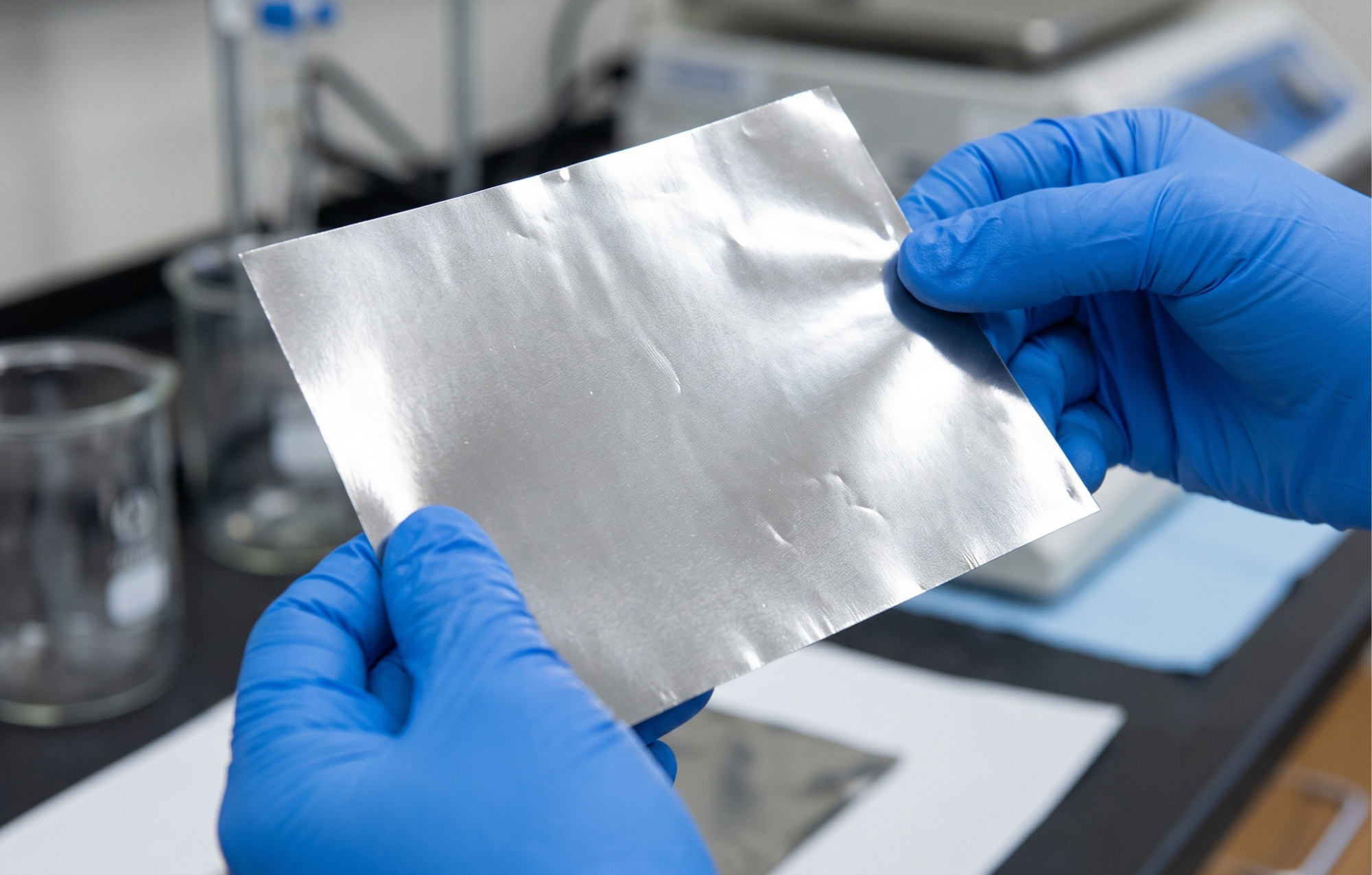
Spotlight on Tantalum: Wire, Foil, Sheet and More for Research
Tantalum combines a very high melting point with good ductility in its annealed state. It melts at 3,017 °C and can be drawn into fine wire and rolled into foil as thin as 0.008 mm. Its strong resistance to corrosion and ability to retain useful mechanical properties at high temperatures make it useful in research involving aggressive chemicals, high temperatures and vacuum conditions.