Spotlight on Palladium: Wire, Foil and Sheet for Research
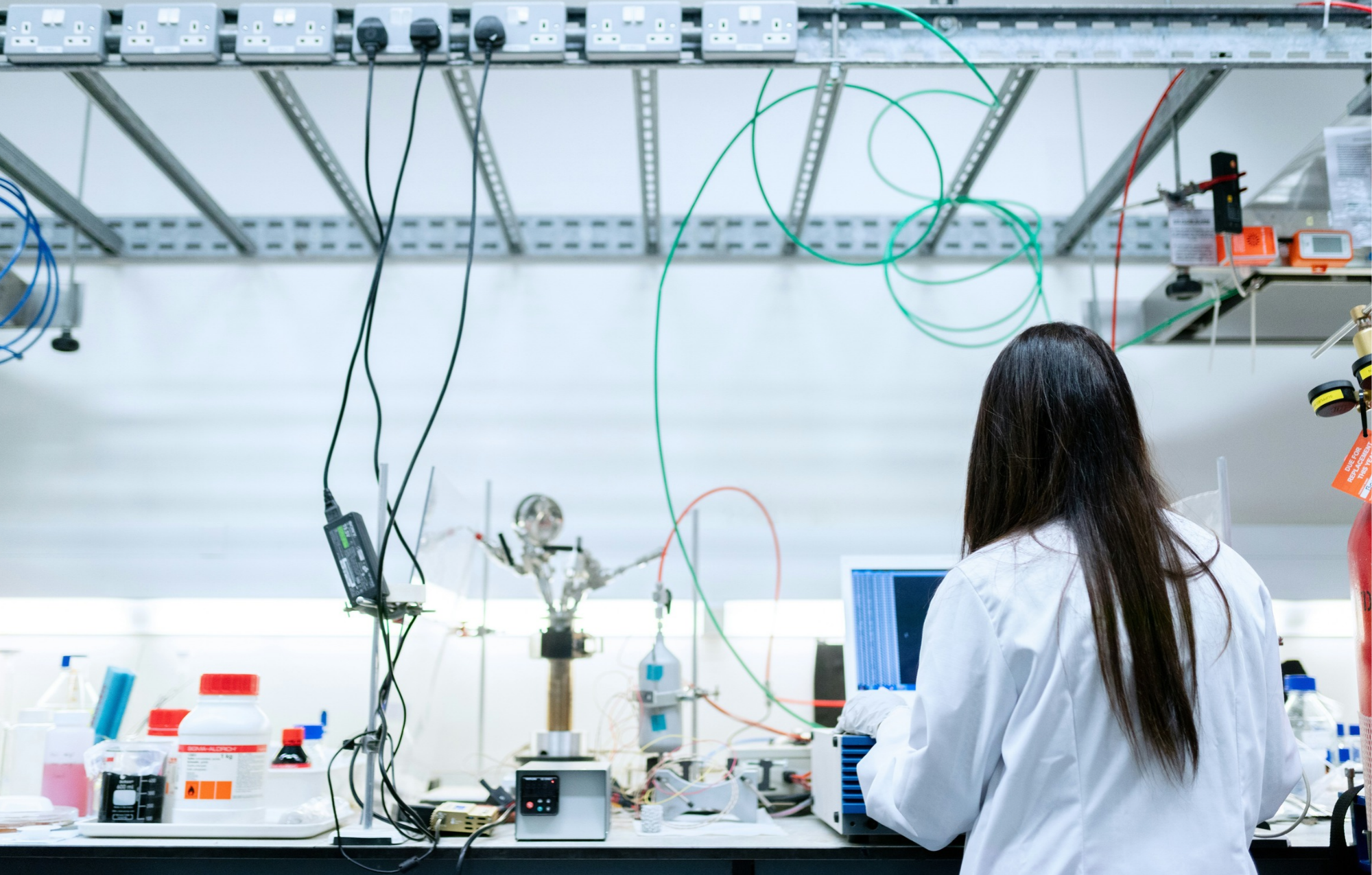

Palladium is one of the most useful metals a research lab can keep on the shelf. It absorbs hydrogen like almost nothing else, it's a workhorse catalyst, and it resists tarnishing in air. That mix makes it a regular in hydrogen research, electrochemistry, catalysis and electronics.
This spotlight covers what makes palladium useful, where researchers use it, and how to choose the right form and purity for your work.
What makes palladium different
Palladium (Pd, atomic number 46) is a silvery-white platinum group metal. It was discovered in London in 1803 and named after the asteroid Pallas. It melts at 1,554.9 °C and has a density of 12.02 g/cm³. Its face-centred cubic crystal structure makes it soft and easy to work into fine wire and thin foil.
Its best-known trait is its appetite for hydrogen. At room temperature, palladium can take up hundreds of times its own volume of hydrogen gas, and hydrogen passes through it far more easily than any other gas. Nearly every hydrogen application of palladium comes back to this one property.
Where palladium is used in research
Hydrogen purification and membranes. Thin palladium and palladium-alloy membranes let hydrogen through and hold other gases back. Labs use palladium foil to build and test membranes, and to study how hydrogen moves through metals.
Hydrogen sensing. Palladium's electrical resistance changes as it absorbs hydrogen. Fine palladium wire is used in resistive hydrogen sensors and leak detection work. Our earlier article on palladium hydrogen sensing covers this in more detail.
Catalysis. Palladium is one of the most important catalysts in chemistry. It drives hydrogenation and dehydrogenation reactions, and palladium-catalysed cross-coupling earned the 2010 Nobel Prize in Chemistry. Foil and wire are used as model catalyst surfaces, where a clean, well-defined metal matters more than surface area.
Electrochemistry. Palladium electrodes are used to study hydrogen evolution, hydrogen absorption and fuel cell reactions. Wire makes a practical working or counter electrode, and foil gives a flat, measurable surface.
Electronics and dental research. Palladium is used in electrical contacts and in dental alloys, where its corrosion resistance and white colour help. Gold-palladium and platinum-palladium alloys are used where a harder or more specialised material is needed.
Choosing the right form
Palladium wire suits sensors, electrodes, microelectrodes, and anything that needs to be threaded, coiled or welded. Our palladium wire ranges from 0.015 mm to 1 mm in diameter.
Palladium foil is the usual choice for membranes, electrode surfaces and catalyst studies. Our foil runs from 0.0125 mm to 0.125 mm thick, supplied as rolled.
Palladium sheet, at 0.25 mm thick, is better where you need something stiffer to cut, punch or machine into discs or custom shapes.
Palladium alloys. We also supply Au60/Pd40 gold-palladium wire and Pt80/Pd20 platinum-palladium wire, both at 0.2 mm diameter.
Choosing the right purity
We supply palladium at 99.95%, with selected foil and wire at 99.99%. For most mechanical, electrical and general lab work, 99.95% is plenty. For catalysis, surface science and electrochemistry, where trace impurities can affect results, 99.99% is the safer choice.
Wire temper matters too. Our finer wires are supplied hard, while thicker wires are stress relieved or as drawn. If you're not sure which grade or condition suits your work, get in touch.
Frequently asked questions
What purity of palladium do I need for research?
For most applications 99.95% is enough. Choose 99.99% for catalysis, surface science or electrochemistry, where impurities can influence results.
What is the thinnest palladium foil available?
Our thinnest palladium foil is 0.0125 mm (12.5 µm), at 99.95% purity.
What is the finest palladium wire available?
Our finest palladium wire is 0.015 mm (15 µm) in diameter, at 99.99% purity.
Why is palladium used with hydrogen?
Palladium absorbs large amounts of hydrogen and lets it pass through while blocking other gases. That makes it useful for hydrogen purification, storage research and hydrogen sensors.
Buy palladium for your research
Advent Research Materials supplies high-purity palladium wire, foil and sheet, along with gold-palladium and platinum-palladium alloy wire, to research laboratories. Browse our palladium range online or get in touch to discuss your requirements.
Buy palladium for your research Advent Research Materials supplies high-purity palladium wire, foil and sheet, along with gold-palladium and platinum-palladium alloy wire, to research laboratories. Browse our palladium range online or get in touch to discuss your requirements. Contact our team to discuss specifications and availability → |